



Table of Contents Show
In the last couple of years, AI has wormed its way into practically every corner of our digital lives, from the photos we snap to the emails we write. It’s no surprise, then, that web browsers, the literal window to the internet, are also getting an AI makeover.
But there’s a growing debate: Are AI-powered web browsers making life easier, or are they quietly eroding our autonomy as consumers? Let’s dive into this complex question and untangle the benefits, the risks, and the hidden trade-offs of letting AI steer our internet journey.
The Rise of AI in Your Browser
Before we can judge the threat, we need to understand what AI-powered browsers actually do.
A few years ago, a browser was little more than a tool to display websites. You typed a URL, hit Enter, and there you were. Today, AI features have turned browsers into digital assistants:
| AI Browser Feature | What It Does |
|---|---|
| Summarization | Condenses long articles into a few bullet points. |
| Smart Search | Predicts queries, suggests links, answers questions inline. |
| Personalised Recommendations | Suggests news articles, shopping deals, or videos tailored to your profile. |
| Language Translation | Instantly translates pages while preserving context and tone. |
| Writing Assistance | Helps draft emails, social posts, or fill forms. |
| Ad and Tracking Blockers | Uses AI to identify invasive ads or suspicious scripts. |
| Voice Assistants | Lets you navigate or search by speaking. |
Browsers like Microsoft Edge, Brave, Opera, and even Chrome are rolling out AI features at lightning speed. Microsoft integrated ChatGPT-like tech into Edge and Bing. Opera has “Aria.” Brave uses its own AI to summarise pages and block malicious content.
It all sounds helpful, right?
But help has a cost, and that cost is autonomy.
What Is Consumer Autonomy Anyway?
Autonomy in this context means your freedom to make choices independently – about what you read, buy, believe, and how you spend your time.
A truly autonomous consumer:
- Chooses what to search for
- Decides which sources to trust
- Controls their own browsing experience
- Makes informed decisions, rather than nudged ones
AI-powered browsers risk interfering with that autonomy because they:
- Shape what information you see
- Hide complexity behind neat summaries
- Personalise experiences (sometimes excessively)
- Encourage passive consumption over active seeking
It’s the classic tension between convenience and control.
How AI Browsers Shape Your Choices
Here’s where things get tricky. Let’s look at a few examples.
1. Summarisation and Hidden Context
Say you’re researching a controversial topic: climate change policies, for example. Your AI browser summarises a 3,000-word article into five neat bullet points.
Sounds great! But:
- Whose interpretation are those bullet points?
- What nuance did they leave out?
- Were dissenting opinions omitted for brevity?
Summarisation isn’t neutral. It’s an editorial decision, one the AI makes for you.
2. Personalisation: A Filter Bubble on Steroids
AI-powered browsers love personalisation. If you often read conservative news, they’ll show you more conservative sources. Like left-leaning tech blogs? Those bubble up instead.
The result: you see less of the web’s diversity and more of what algorithms think you want.
A 2020 study in Nature showed that algorithms on platforms like Facebook and Google reinforce echo chambers because they optimise for engagement, not balance.
| Personalisation Trade-Off | Pro | Con |
|---|---|---|
| Faster access to content you like | Saves time | Filters out diverse viewpoints |
| Feels more “relevant” | Less noise | Narrows your world |
| Helpful for discovering new products | Great for shopping | Risks manipulative marketing |
When your browser becomes your curator, it quietly limits your agency to explore new ideas.
3. Search That Answers Before You Ask
Modern browsers often show answers right in the search bar:
“What’s the weather tomorrow?”
AI pops up a forecast – no click needed.
Great. But that’s also fewer clicks to original sources. Over time, publishers may produce less content if no one visits their pages, potentially shrinking the diversity of information online.
Plus, AI search tools sometimes hallucinate: confidently delivering wrong or misleading answers. When your browser “knows” everything, it’s easy to stop checking whether it’s true.
4. Shopping and Recommendations
Consider shopping.
AI browsers watch your habits and suggest deals:
“We’ve found the perfect running shoes for you – 20% off!”
Useful? Yes. Neutral? Not always. Some partnerships influence what you’re shown. Sponsored results might be prioritised. Algorithms can subtly push you toward buying things you didn’t plan to buy.
This erodes autonomy by transforming browsers into salespeople.
Are AI-Powered Browsers Actually Manipulating You?
Let’s be blunt: AI-powered browsers aren’t inherently evil. But the incentives behind them deserve scrutiny.
Browsers don’t exist for free. Many monetise through:
- Search partnerships
- Data analytics
- Ad targeting
- Sponsored content
AI is a new way to keep you engaged – and generate revenue. That’s not always sinister, but it means your browsing experience could be subtly steered to serve business goals.
For example, a browser summarising news might highlight certain topics over others because it knows they keep you reading longer. Or a shopping suggestion might come from a brand paying for placement.
This raises concerns about covert influence:
- You think you’re choosing freely.
- But your choices are shaped by invisible nudges.
The Hidden Data Cost
Another threat to autonomy is the data collection required to power AI features.
To personalise results or summarise pages, your browser often analyses:
- Browsing history
- Search queries
- Click patterns
- Shopping preferences
- Demographic data
This can feel intrusive. Worse, it can be combined into detailed profiles. According to Wikipedia, this kind of data gathering underpins “surveillance capitalism,” where your personal data is commodified.
Even privacy-focused browsers like Brave still use some level of machine learning for their features. The question is how much data is necessary, and how much is exploitative?
The Autonomy vs. Convenience Dilemma
Let’s be real. Most of us love convenience. Summaries save time. AI translators let us read foreign news. Smart search feels like magic.
So should we throw AI browsers out entirely? Probably not. But we should be clear-eyed about the trade-offs.
Here’s a table to illustrate:
| AI Feature | Autonomy Risk | Convenience Benefit |
|---|---|---|
| Summarisation | Loss of nuance and context | Saves time reading long articles |
| Personalisation | Filter bubbles, echo chambers | Faster, tailored content |
| AI-generated search answers | Reduced source diversity, potential errors | No need to click multiple sites |
| Shopping suggestions | Manipulative marketing | Useful deals and reminders |
| Data collection | Privacy invasion, profiling | Personalised experiences |
How To Stay Autonomous While Using AI Browsers
The good news is you don’t have to swear off AI browsers entirely. Here are some practical steps to keep your autonomy:
1. Check Original Sources
If your browser summarises an article, open the full piece. Skim headlines, but dive deeper when it matters.
2. Vary Your Sources
Use multiple search engines occasionally. Visit sites outside your usual reading list. Intentionally explore other viewpoints.
3. Disable Personalisation When Possible
Some browsers let you toggle off personalisation. Try it for a week and see the difference in your feed.
4. Read Privacy Policies
Yes, they’re boring. But glance at your browser’s privacy statement. How is your data used? Is it stored locally or sent to servers?
5. Be Skeptical of “Sponsored” Content
If a deal or suggestion seems too perfectly timed, ask yourself who benefits. Sometimes the answer isn’t you.
6. Use Private or Incognito Modes
These won’t protect everything but reduce tracking during specific sessions.
7. Watch for AI “Confabulations”
AI systems sometimes make things up. If an AI answer seems odd, check it against reputable sources.
Are AI Browsers a Net Positive?
So, are AI-powered browsers ultimately good or bad?
The answer is complicated. They’re neither angels nor demons. They’re tools – powerful ones – that can either empower or subtly manipulate, depending on how they’re built and how you use them.
Here’s a summary of pros and cons:
| Pros | Cons |
|---|---|
| Saves time and mental effort | Potential manipulation and bias |
| Helps non-experts access knowledge | Loss of nuance in summarised information |
| Breaks down language barriers | Privacy risks and data exploitation |
| Blocks malicious content | Filter bubbles limit exposure to diversity |
In moderate use, AI browsers can be a huge productivity boost. The threat to autonomy grows when we start outsourcing all judgment and curiosity to algorithms.
A Bigger Picture: AI, Autonomy, and Society
The browser debate is part of a larger question: How much decision-making should we outsource to AI?
We’re entering an era where AI can:
- Pick our news
- Recommend partners
- Suggest careers
- Manage finances
- Create art
Each advance makes life easier – but chips away at the moments where we choose freely.
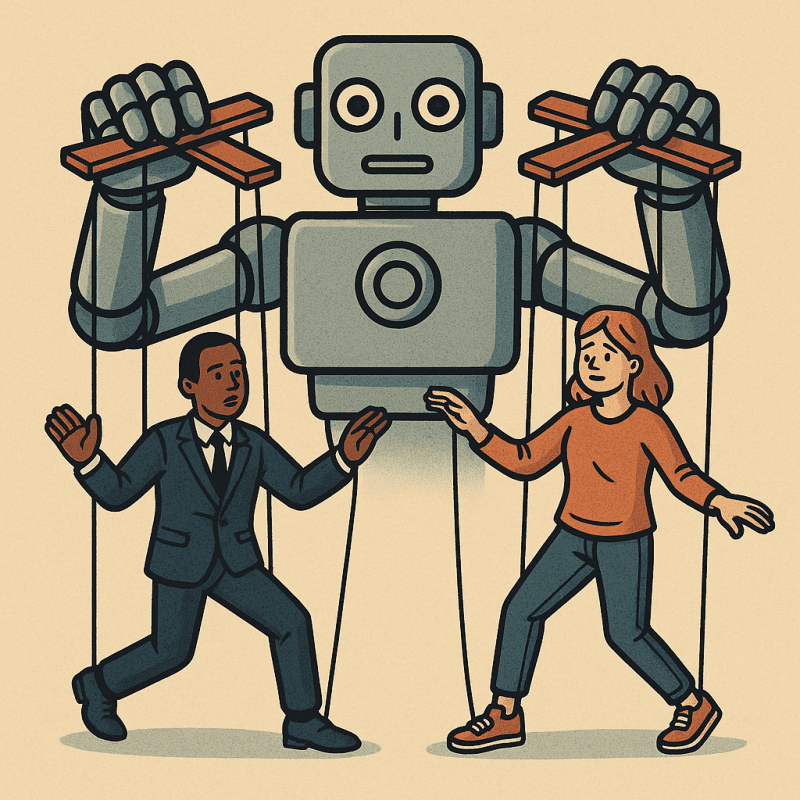
The risk isn’t that AI will enslave us. The risk is that we become passive participants in our own lives, letting machines decide what we read, buy, and believe.
A healthy society depends on citizens who seek diverse views, question narratives, and make conscious choices. AI can assist that journey – or hinder it, depending on how it’s designed and regulated.
Regulation on the Horizon
Governments are starting to notice these risks. The European Union’s AI Act is one of the first serious attempts to regulate high-risk AI systems, including some in search and recommendations.
Meanwhile, U.S. lawmakers are investigating how AI might impact consumer rights and competition. According to The Verge, Congress held hearings in 2023 exploring how to keep AI from manipulating or misleading users.
Expect more regulation aimed at:
- Transparency in how AI systems decide what to show
- Rules about data collection and usage
- Accountability for errors or bias
Regulation alone won’t solve everything, but it may curb the worst excesses.
The Takeaway
Are AI-powered browsers a threat to consumer autonomy?
- Yes, potentially – if left unchecked.
- No, not necessarily – if used mindfully.
AI browsers are powerful tools. They save time, protect you from spammy content, and help navigate a massive internet. But they also introduce new ways for corporations – and possibly governments – to shape your choices invisibly.
The best defense? Stay curious. Question the summaries. Check original sources. Use different browsers or engines. And remember: Technology should serve you – not the other way around.
In short, AI browsers aren’t your enemy – but they do demand vigilance. As users, we owe it to ourselves to remain active participants in our digital lives rather than becoming passive consumers spoon-fed by algorithms.
The future of online autonomy will be shaped by how we choose to use – and regulate – these powerful new tools.
Further reading: